Neighborhood Know-How
Older service lines and pressure regulators can behave differently from one Cherry Creek home to another. The crew considers the home’s plumbing and supply before recommending a repair.
In Meadow Hills and Harbor Pointe, a weak stream can point to a pressure problem inside the house or along the supply line. Our team checks the system before recommending a repair.
Cherry Creek Reservoir is a familiar landmark, but freeze-thaw cycles in the area can stress buried water lines and make a pressure change worth investigating. We compare pressure at more than one fixture, inspect accessible plumbing, and explain what the readings suggest.
Low humidity can worsen indoor static and dust; during open plumbing work, we keep the work area controlled and protect nearby surfaces. Short checks matter.
Our crew diagnoses first, explains the options in plain language, and gives you a clear plan before work begins. For service in Cherry Creek, call (877) 773-0781.
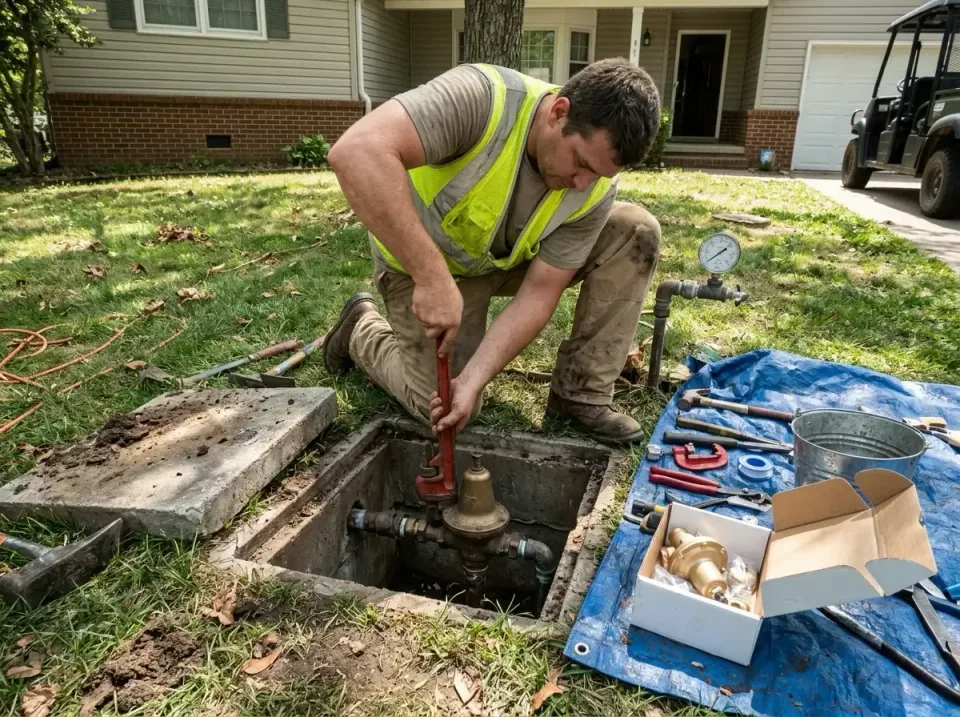
Cherry Creek State Park gives the area a well-known point of reference, while nearby homes range from detached houses to townhome and apartment complexes. During Cherry Creek’s hot summer afternoons, outdoor pump equipment can run under added heat stress, so our checks include the equipment and connections when a property uses a pump.
Cold snaps can freeze shallow service lines, so we ask when pressure changed and whether the issue affects every fixture before we choose a test. Hail can also damage exposed plumbing vents or equipment; we look for visible damage when it fits the symptoms. Our team coordinates scheduling, protects work areas, and explains findings before repairs begin.
When shower pressure drops as another tap runs, or upstairs faucets barely stream, we compare flow at several fixtures before opening a wall. Cherry Creek’s four distinct seasons can change outdoor access, so the route to a buried line may need different planning than an indoor regulator check.
Dry air can evaporate water from open plumbing work quickly, so we keep exposed connections protected while testing and repairing. Snowfall can delay excavation or equipment delivery; we explain access constraints before arranging work. High altitude can increase UV exposure and freeze risk, making exposed exterior components worth checking when symptoms point outside.
Our team checks the accessible supply, identifies the likely cause, and explains the repair plan. In ZIP code 80111, a safe first check is to compare one cold tap with another before booking service.
A bouncing pressure gauge needs a gauge suited to the system’s expected pressure; the wrong range can make a useful test misleading. Near Cherry Creek Reservoir, our crew checks readings at the supply and fixtures, then compares hot and cold flow to narrow the cause.
The material matters. ASTM B88 copper water tube is a standard specification for copper tubing, and its condition can affect how we plan a repair when copper lines are present.
If hot water is weaker than cold, we assess the hot-side path and water heater connections rather than assuming the whole house has low pressure. We protect the work area and explain the test results before recommending a repair. If pressure changes persist, our team can check the system in your Cherry Creek home.
We serve Harbor Pointe, where a weak cold-water stream after a supply interruption is a reason to compare more than one fixture before assuming a single faucet is clogged. In Meadow Hills, our team checks the accessible supply and fixtures when low pressure follows water-main work; call the utility if its repair notice names a service interruption.
Meadowood residents can start by comparing pressure at a nearby cold tap with the affected fixture, then tell us whether the change is isolated or house-wide. In Mission Viejo, a winter freeze can burst an exposed pipe, so look for visible moisture without touching damaged plumbing.
Monsoon-season storms may restrict outdoor service work, which can affect access to an exterior line. If cold-water pressure remains low, our team can assess the cause and explain the next step.
Get a clear explanation of the pressure issue and the work your home may need.
Older service lines and pressure regulators can behave differently from one Cherry Creek home to another. The crew considers the home’s plumbing and supply before recommending a repair.
Technicians explain what they find and discuss the repair scope before work proceeds. If permits or local requirements apply, the team coordinates them for the job.
The team dispatches from Denver and coordinates low-pressure repair calls across Colorado. You can discuss access and the work involved with a team familiar with regulator, pump, tank, and water line repairs.
The crew checks the home’s supply and fixtures, explains the findings, and verifies completed work.
Discuss the Call
Tell the team where pressure seems low and any recent changes you have noticed. They discuss the service scope and confirm access to the shutoff valve before scheduling repairs.
Check Pressure
A technician checks multiple fixtures and records static and flowing pressure before diagnosing the cause. These readings help distinguish a home-wide supply issue from a fixture-specific concern.
Explain Findings
The technician explains what the checks show and reviews the proposed repair with you. If the job calls for permits or local requirements, the team coordinates them.
Verify the Repair
After the agreed work, the technician checks pressure again, confirms replacement parts match the system, and documents readings and regulator settings for your records.
A toilet tank that takes longer than usual to refill can be an early clue that water delivery has changed. Notice whether the delay repeats, and note which fixtures are affected before arranging an inspection.
A washing machine or dishwasher that seems to take longer to fill may signal a change in water delivery. Compare its usual behavior and check whether other household fixtures show a similar change.
A garden hose with a noticeably weaker stream can be an early sign to investigate, especially if the hose and nozzle are clear. Compare it with indoor fixtures to help describe where flow seems different.
Snowmelt and quick temperature shifts can make spring a useful time to check water delivery and visible plumbing after winter. A technician can assess pressure concerns and explain whether the home’s supply or equipment needs attention.
Summer hail and thunderstorms can bring changing outdoor conditions around a home’s water lines and equipment. If pressure changes, arranging an assessment can help identify whether the cause is within the home or at its supply.
Dry conditions and quick temperature shifts make fall a practical time to review plumbing concerns before colder weather arrives. A pressure check can help clarify whether a regulator, pump, tank, or water line needs attention.
Cold winters and periodic snow make pressure changes worth checking rather than dismissing. A technician can assess the home’s supply and fixtures and explain whether freeze-related conditions or other plumbing components may be involved.
The answer helps clarify who coordinates any required permits or local requirements and whether those items belong in the agreed scope before work begins.
Confirm whether the scope covers testing, diagnosis, repair, and post-repair checks. A specific explanation helps you understand what the technician will address and what may require separate approval.
Knowing access needs ahead of the visit can help you clear the work area and identify any locked or obstructed valves. Confirm what the technician needs to reach.
Ask how the provider explains newly discovered work and gets your approval before proceeding. Understanding the agreement’s terms helps keep the scope and responsibilities clear.
Request a quote online or contact our Cherry Creek, CO team directly by phone or email.
Compare the affected fixture with another tap and note whether both hot and cold water are weak. If the drop followed water-main work near Meadow Hills, check any utility notice before changing plumbing settings. Our team can test the system and explain whether the cause appears to be inside the home or on the supply side.
The change may indicate a supply restriction or a system that cannot maintain flow under simultaneous use. Note which fixtures are running and whether the issue affects hot, cold, or both; our crew uses those details to guide pressure testing in your Cherry Creek home.
Low Water Pressure Repair is also available in these nearby communities across Colorado.